
Southfield, MI · Garage Door Service
Garage Door Repair for Oak Park Homes, Built Around 1958
Oak Park homes mostly date to 1958, with original hardware on many doors. Southfield Garage Door Pros travels the 4 miles to fix springs, openers, and tracks built for that era.
- Repairs & new doors
- Springs & openers
- Serving 8 nearby communities
The Houses Here
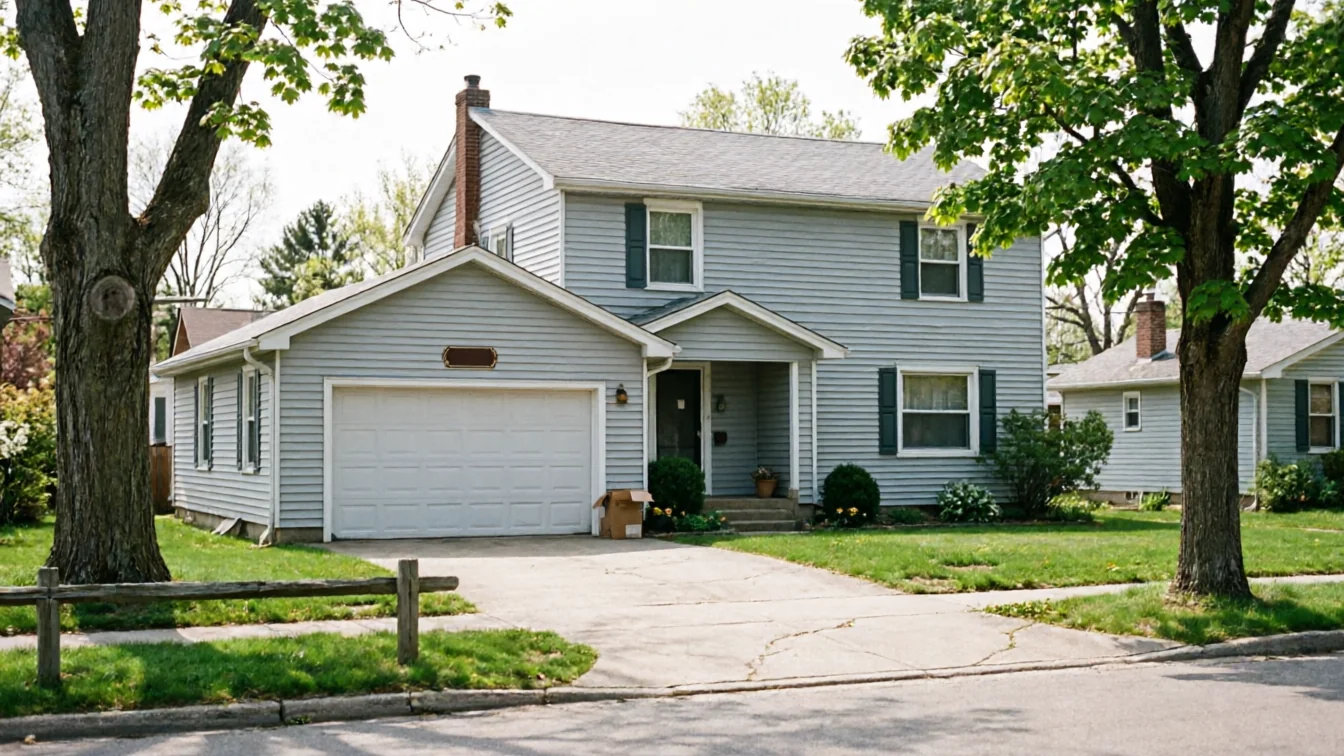
Oak Park's housing stock centers on 1958, squarely inside the 1938-1990 range that covers this whole service area. That median year matters more than it sounds like it should. A house built in 1958 almost never came with the kind of garage door hardware you'd find in a house built in 1985. The springs are different gauges, the track brackets are mounted differently, and a lot of these original garage structures were sized for a single car, not the two-car doors that got dropped in later during additions or remodels.
With 12,722 households in Oak Park, there's a lot of this same vintage sitting side by side. We see the pattern repeat block after block: a door that's been repainted or resurfaced over the decades, but the torsion hardware behind the trim is original or close to it. Median household income here runs $65,882, which tends to track with homeowners who fix a door rather than replace it outright when the budget allows - and for 1958-era doors in otherwise sound condition, that's often the right call. The honest trade-off is that parts for some of that original hardware aren't sitting on a shelf anywhere; they take longer to source than a stock torsion spring for a 2005 door.
Older vs Newer Streets
Not every lot in Oak Park got built the same year, even within a town this size. Where a 1958-era house still has its original garage, you're typically looking at narrower door openings, lighter-gauge track, and spring systems sized for lighter door panels - wood or early steel rather than today's insulated steel. On streets where additions, rebuilds, or later infill changed the garage footprint, the door and opener are usually newer and behave more like a standard modern install.
The practical difference shows up in the service call. An older door on original hardware tends to fail at the spring or the cable first, because that's the part doing the most repetitive work over six decades. A newer door on the same street is more likely to have an opener problem - a worn gear, a failing circuit board, a sensor knocked out of alignment. We ask about the approximate age of the door before we come out, not the house, because the two don't always match and it changes what's likely to be in the truck.
When We Can Get There
We run out of Southfield, about 4 miles from Oak Park. That's a short run, but we're not based here, so we don't carry a local response-time promise - what we can tell you is the distance is short enough that it rarely adds meaningfully to the job. We book calls across the wider service area, which includes towns from Lathrup Village at 2 miles up through places 10 and 15 miles out, so where Oak Park falls in the queue on a given day depends on the rest of the route, not on anything about Oak Park specifically.
Winters here fall into the severe cold climate band that covers this whole region, and cold is what pushes a marginal spring or a stiff opener over the edge into a full failure. That's not an Oak Park trait on its own, but combined with a lot of original 1958-era hardware still in service, it means cold-weather breakdowns here skew toward older parts failing rather than newer ones.
What That Means for Doors
Put the house age and the climate together and you get a fairly specific set of common calls in Oak Park: torsion springs that have simply outlived their cycle count, cables fraying at the drum from decades of use, and center-mounted opener units on original one-piece or early sectional doors that weren't designed for the openers people retrofit onto them later. We can usually repair these rather than push a full replacement, since a lot of the original wood and early steel doors are structurally fine even after sixty-some years.
Where replacement makes more sense is when the door itself has warped, delaminated, or the track has been bent enough times that realigning it keeps failing. We'll say so plainly if that's what we find - there's no point billing a repair that won't hold. For anything involving parts specific to a 1950s-era door, expect us to ask questions about the opening size and hardware before we quote, since stock parts don't always fit.
Frequently asked questions
Is my garage door too old to repair?
Not necessarily. A lot of Oak Park's garage doors date to around 1958 and the wood or early steel panels are often still structurally sound. The spring, cable, or track hardware usually fails before the door panel does, and those parts can typically be repaired or replaced without touching the door itself.
Do you have a crew based in Oak Park?
No. We operate out of Southfield, about 4 miles away, and travel to Oak Park and the surrounding towns for service calls. We don't keep a local depot in Oak Park itself.
Why did my spring break in cold weather?
Cold makes steel more brittle and torsion springs lose a bit of tension as temperatures drop, so a spring that's near the end of its cycle life is more likely to snap in winter. This area sits in a severe cold climate band, which adds to the wear on older hardware.
Can you get parts for a 1950s garage door?
Sometimes, but not always off the shelf. Original hardware from that era isn't stocked the way modern torsion springs and openers are, so a repair on a true original setup may take longer to source parts than a repair on a newer door.
Garage door services in Oak Park
Every service our crew runs in Oak Park, MI.
Book garage door service in Southfield
Call now or request a quote - tell us what the door is doing and where you are.