
Southfield, MI · Garage Door Service
Garage Door Panel Replacement for Dearborn Heights Homes
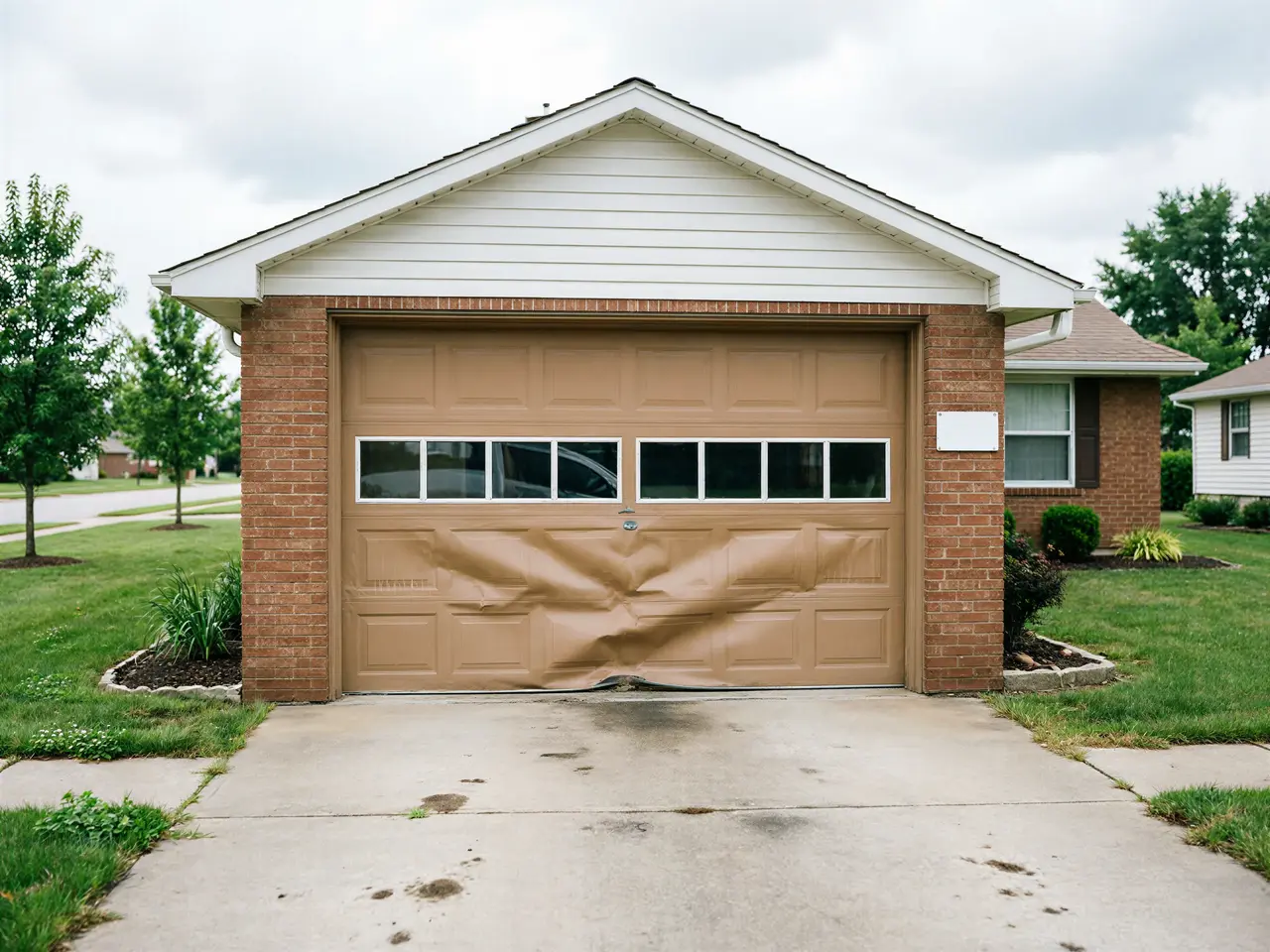
Panel replacement for Dearborn Heights homes built around 1958, where steel sections from that era crack, dent, and rust through after years of severe cold.
- Repairs & new doors
- Springs & openers
- Serving 8 nearby communities
Time on the Job
Most of what we replace in Dearborn Heights is a single bottom or second-from-bottom panel, not the whole door. The houses here went up mostly in the same stretch that set the median for this part of the county, centered on 1958, and that era used steel sections that dent instead of flexing back. A straightforward single-panel swap on a sectional door, once we've confirmed the track alignment and the panel is still made (some early profiles aren't), runs about two to three hours on site. If the door is a one-piece slab from that same build wave rather than sectional, the job changes entirely - you're not replacing a panel, you're replacing the door, because one-piece doors don't come apart in sections. We check which type we're dealing with before we quote anything, not after. Older double-car doors with eight or ten narrow panels take longer per section just from the fastener pattern alone, since hardware from 1958 wasn't standardized the way current stock is.
The Cost of This Job
Dearborn Heights runs a median household income of $61,035, a fair amount under the $70,185 median across the wider area this company covers - and that gap shows up in the choices homeowners make here. More people ask us to match and replace one damaged panel instead of the whole door, because a single panel is the cheaper repair and the rest of the door is sound. We don't carry a published price list for this town specifically; what the job costs depends on whether the panel pattern is still manufactured, whether we're matching an insulated or non-insulated section, and whether the track needs reset along with it. What we will say plainly: if more than two panels on one door are damaged, or the door is a one-piece slab, patching panel by panel usually costs more in the end than replacing the door. We'll tell you that straight rather than selling you a repair that doesn't make sense.
What Is on the Truck
We come out from Southfield, about 10 miles to reach Dearborn Heights, so the truck is stocked for what we already know we'll find here rather than guessing on site. That means steel panel sections in the common widths used on 1950s-and-60s-era sectional doors, matching end caps and hinges sized for older roller carriages, and the fasteners those doors actually take instead of whatever's standard today. We also carry insulated replacement sections for homeowners upgrading a panel while they're at it, since a lot of doors from that build era went up with none. What doesn't fit on the truck is a replacement for a panel profile that's been fully discontinued - that happens on some of the oldest one-piece doors, and when it does, we tell you on site instead of promising a part we can't get. That's the one honest limit here: if the manufacturer stopped making your exact panel decades ago, replacement of the whole door is the real answer, not a special order.
Where This Job Goes Sideways
The mistake we see most in Dearborn Heights is a homeowner ordering a panel by width and color without checking the mounting pattern underneath. Doors from the 1958-era build wave used hinge and roller spacing that current manufacturers don't universally match, so a panel that looks right on a shelf can still not line up with the existing track hardware once it's on site. The second way this goes wrong is skipping the track and spring check that should come with any panel swap. A bent panel is often a symptom of a track that's slightly out of alignment or a spring that's lost tension and let the door drop crooked onto something. Replace the panel without fixing what bent it, and the new section takes the same hit within a season. We check both before we touch the panel, not after, because re-doing a panel job because we missed the real cause costs everyone more than catching it the first time.
The Symptom
The fault that brings us out to Dearborn Heights most often isn't a dented panel from a backed-up car - it's a crack along a seam or a rust line low on the door that nobody hit at all. Steel panels installed in that 1958-centered building wave are now well past the point where thin-gauge steel holds up on its own, and this area sits in a severe cold climate band, which means repeated freeze-thaw cycles each winter. Moisture gets into a seam, freezes, expands it a fraction, and over enough winters that fraction becomes a crack or a rust-through spot at the bottom panel where road spray and snowmelt sit longest. It looks like damage from an impact. Usually it isn't. If you're seeing a crack with no dent, or rust coming through from the inside rather than a scrape on the outside, that's age and cold doing the work, not a one-time accident - and it tells us which panel is likely to go next too.
Doing It Yourself
A cosmetic dent that didn't crack the panel or throw off the door's balance is worth leaving alone - it's not a safety issue and fixing it purely for looks is your call, not a repair we'd push. Swapping the panel yourself is a different matter. Sectional panels are under spring tension through the door assembly, and on a door from this build era the hinges and roller carriages are old enough that removing one panel can shift how the rest of the door sits on the track. We've seen DIY panel swaps in older homes end with a door that closes crooked and binds, which is a harder fix than the original dent. If you're just repainting a sound panel or tightening a loose hinge screw, that's reasonable work for a homeowner. If the panel is cracked, rusted through, or the door doesn't sit flush after the swap, that's where we'd rather you call before the track or spring takes the next hit.
Frequently asked questions
Why is my garage door panel cracking instead of denting?
On houses from the 1958-era build wave, steel panels have been through decades of severe winters. Freeze-thaw cycles work moisture into seams and bottom edges, and over time that becomes a crack or rust-through spot rather than a dent. It's age and cold, not necessarily impact, and it tends to show up on the bottom panel first.
Can you match the panel on an older one-piece door?
Sometimes, but one-piece doors don't come apart in sections the way newer sectional doors do, so a single-panel swap often isn't possible. If the slab is damaged, replacing the whole door is usually the real fix. We'll tell you on site which type your door is before quoting anything.
Is it cheaper to replace one panel or the whole door?
One panel is cheaper if it's the only section damaged and the part is still made. Past two damaged panels, or on a discontinued profile, a full door replacement usually costs less in the long run than chasing matching parts. We're upfront about which situation yours is.
How far out does Southfield Garage Door Pros travel for this?
Dearborn Heights is about 10 miles from our Southfield base, and it's within the area we cover. We bring panel stock sized for the 1950s-and-60s-era doors common here, since that's most of what we find on this side of the service area.
More garage door services in Dearborn Heights
- Garage Door Repair in Dearborn Heights
- Garage Door Service in Dearborn Heights
- Garage Door Maintenance in Dearborn Heights
- New Garage Door Installation in Dearborn Heights
- Garage Door Opener Installation in Dearborn Heights
- Garage Door Opener Repair in Dearborn Heights
- Garage Door Spring Repair in Dearborn Heights
Book garage door service in Southfield
Call now or request a quote - tell us what the door is doing and where you are.